Paediatric Occupational Therapy
Supporting children to participate in the activities that matter most
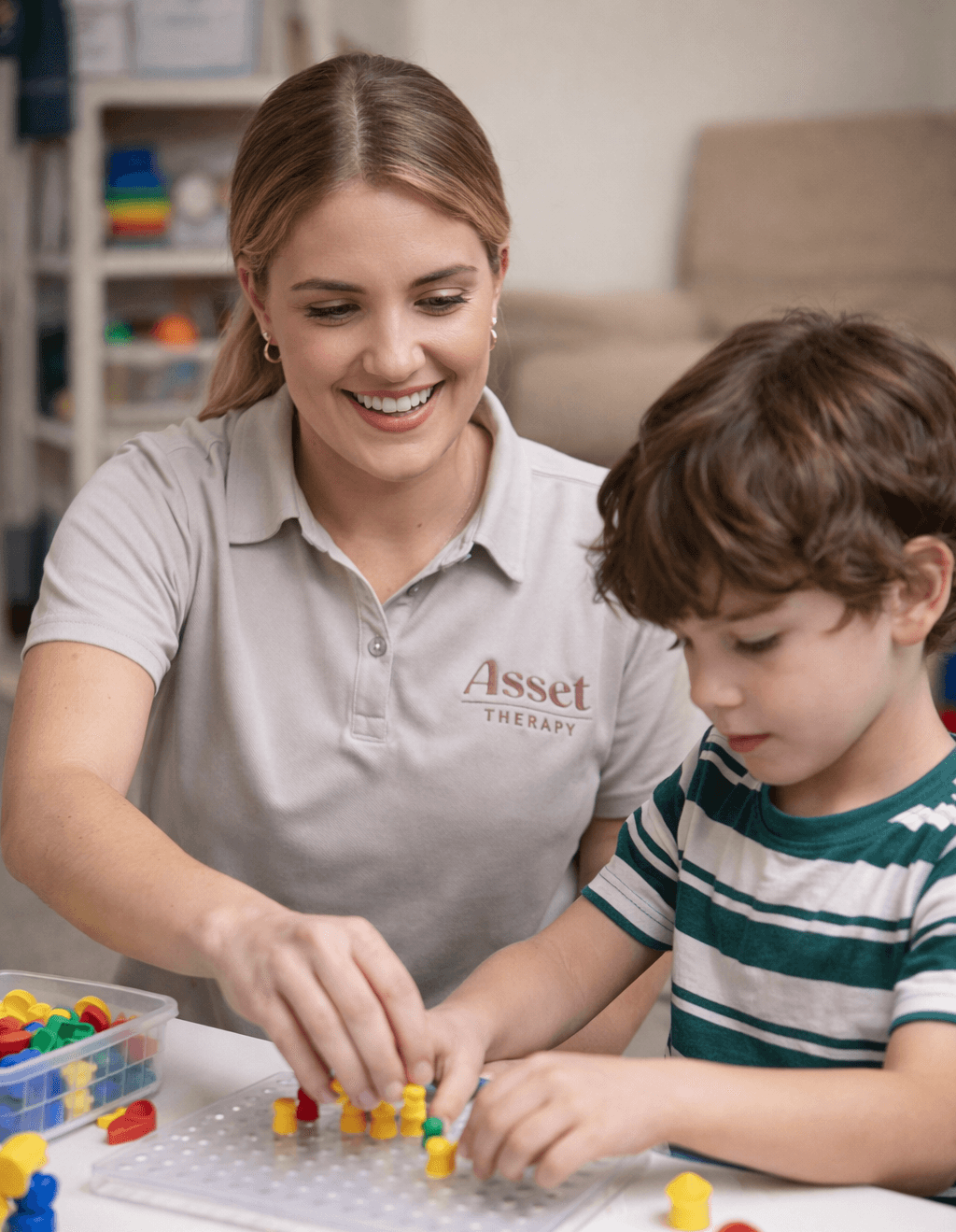
What is Occupational Therapy?
Occupational Therapy (OT) helps children develop the skills they need to participate in everyday activities or "occupations". For children, these occupations include play, learning, self-care, and social participation.
Our paediatric occupational therapists work with children and their parent/caregivers to identify goals, build skills, and adapt environments to support participation and independence. We use interest-based, family-centred, and goal-driven approaches to make therapy engaging, meaningful, and tailored to each child.
Our OT Services
Fine Motor Development
Supporting hand strength, coordination, and dexterity for tasks such as drawing, cutting, writing, and manipulating small objects.
Gross Motor Development
Helping children build core strength, balance, coordination, and body awareness for movement and physical participation.
Sensory Processing and Modulation
Supporting children to better manage sensory input and improve regulation across home, school, and community environments.
Self-Care Skills
Building independence in daily activities such as dressing, eating, toileting, grooming, and personal hygiene.
Emotional Regulation Skills
Helping children recognise emotions, develop coping strategies, and improve their ability to respond to challenges calmly.
Attention, Executive Functioning and School Participation
Developing skills for attention, organisation, planning, memory, problem-solving, classroom routines, and participation in learning environments.
Play and Social Interaction Skills
Supporting children to develop play skills, turn-taking, communication, emotional understanding, and positive interactions with others.
Visual Perceptual & Visual-Motor Skills
Improving how children interpret visual information and coordinate vision with movement for handwriting, drawing, and school tasks.
Functional Independence in Daily Routines
Supporting children to participate more independently in everyday routines at home, school, and in the community.
Who We Work With
We support children with a range of diagnoses and challenges, including:
Next Steps
Here’s what to expect when getting started with occupational therapy.
Get in Touch
Contact our team to tell us a little about your child and the support you are looking for. We will help guide you through the first steps.
Meet Your Occupational Therapist
Book your 90-minute initial parent/caregiver consultation, which includes 60 minutes face-to-face. This session helps us understand your child’s development, current challenges, and therapy goals.
Assessment & Getting to Know Your Child
Your child will attend an assessment session so we can better understand their strengths, support needs, and build rapport in a comfortable, supportive way.
Begin Therapy
From there, we begin therapy sessions tailored to your child’s goals, with practical strategies to support progress at home, in education settings, and in everyday life.